

Posted on August 05 2026
Which Temporary UK Visas Can Lead to Indefinite Leave to Remain (ILR)?

By , Editor & Director
Updated August 05 2026
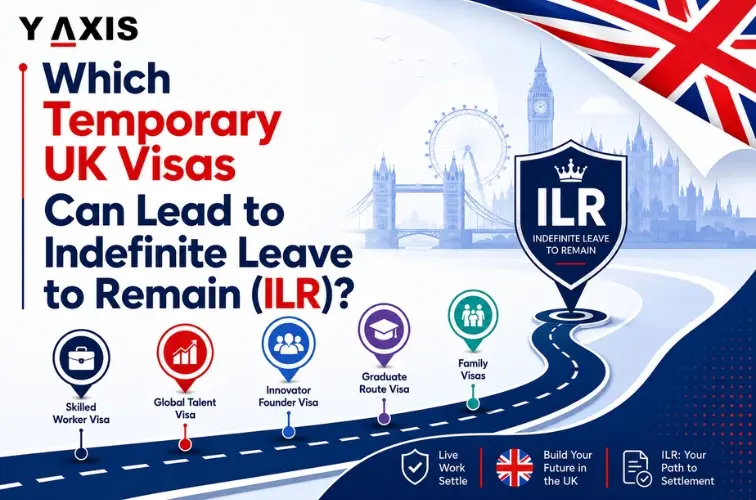
Temporary UK visas that lead to Indefinite Leave to Remain (ILR) include the Skilled Worker Visa, Health and Care Worker Visa, Global Talent Visa, Innovator Founder Visa, Family Visa, International Sportsperson Visa, Minister of Religion Visa, Scale-up Worker Visa, and UK Ancestry Visa. Most of these visa routes provide a pathway to ILR after 5 years of continuous lawful residence while the Global Talent Visa and Innovator Founder Visa qualify after 3 years.
|
Temporary UK Visa |
Qualifying Period for ILR |
|
Skilled Worker Visa |
5 years |
|
Health and Care Worker Visa |
5 years |
|
Global Talent Visa |
3 or 5 years |
|
Innovator Founder Visa |
3 years |
|
Scale-up Worker Visa |
5 years |
|
Family Visa |
5 years (standard route) |
|
UK Ancestry Visa |
5 years |
|
International Sportsperson Visa |
5 years |
|
Minister of Religion Visa |
5 years |
*Want to apply for UK ILR? Let Y-Axis guide you through application process.
Temporary UK Visas That Lead to Indefinite Leave to Remain (ILR)
The UK offers temporary visa routes that can lead to Indefinite Leave to Remain (ILR). These routes cover work, family, business, ancestry, talent, and specialist categories, with different qualifying periods and settlement requirements.
UK Work Visas
UK work visas allow skilled workers, healthcare professionals, and sponsored workers to qualify for Indefinite Leave to Remain (ILR). Most work visa routes require 5 years of continuous lawful residence along with meeting the settlement requirements.
- Skilled Worker Visa: For skilled workers employed by a licensed UK sponsor.
- Health and Care Worker Visa: For qualified healthcare and social care professionals working for an approved UK employer.
- Scale-up Worker Visa: For highly skilled workers employed by eligible UK scale-up businesses.
- International Sportsperson Visa: For elite athletes and qualified coaches endorsed to work in the UK.
- Minister of Religion Visa: For ministers of religion and religious workers sponsored by recognised faith organisations.
UK Talent and Business Visas
The Global Talent and Innovator Founder Visas provide shorter routes to ILR compared with most other temporary visa routes.
- Global Talent Visa: For leaders and potential leaders in academia, research, arts and culture, or digital technology. The ILR qualifying period is 3 or 5 years depending on the category.
- Innovator Founder Visa: For entrepreneurs establishing an innovative, viable, and scalable business in the UK. The ILR qualifying period is 3 years if the business meets the settlement requirements.
UK Family Visas
UK family visas provide a route to ILR for partners, parents, and other qualifying family members of British citizens or settled persons.
- Spouse Visa: For spouses of British citizens or settled persons in the UK.
- Civil Partner Visa: For civil partners of British citizens or settled persons.
- Unmarried Partner Visa: For couples in a durable relationship who meet the requirements.
- Parent Visa: For parents who meet the requirements to live in the UK with their child.
UK Ancestry Visa
The UK Ancestry Visa allows Commonwealth citizens with a UK-born grandparent to apply for Indefinite Leave to Remain (ILR) after 5 years of continuous lawful residence. Applicants must prove their ancestry connection and continue working, seeking work, or running a business in the UK during their stay.
Indefinite Leave to Remain (ILR) Requirements for UK Visa Holders
To qualify for Indefinite Leave to Remain (ILR), temporary UK visa holders must meet the required residence period, continuous residence rules, and other settlement requirements.
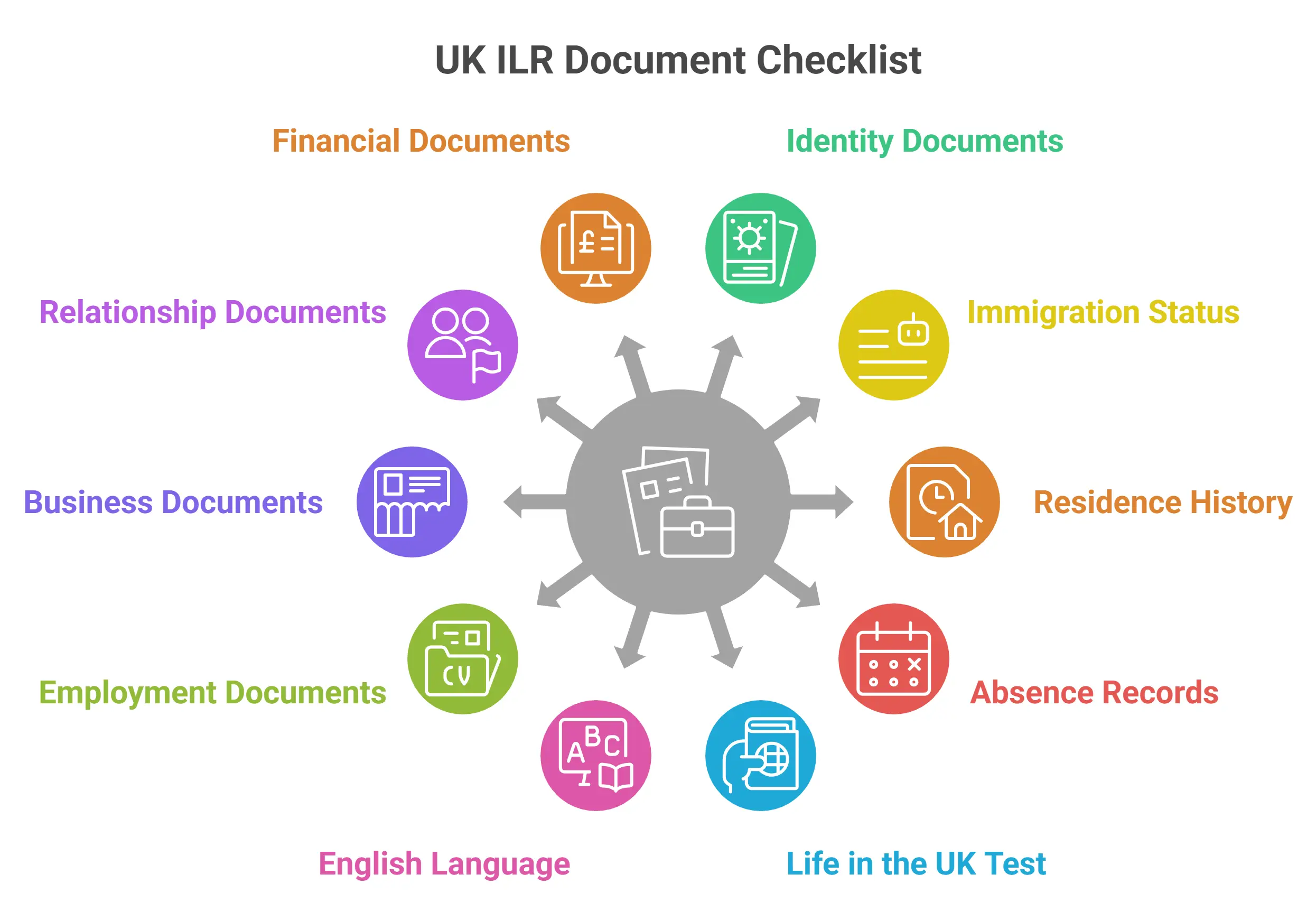
- Qualifying period: Complete the required period of lawful residence under your visa route. Most settlement routes require 5 years of continuous residence.
- Continuous residence: Meet UK residence rules and stay within the permitted absence limits. Most ILR routes require applicants to spend no more than 180 days outside the UK in any 12-month period during the qualifying period.
- Life in the UK Test: Pass the Life in the UK Test unless exempt.
- English language requirement: Meet the required English language level unless exempt.
- Visa route conditions: Continue meeting the requirements of your visa, such as sponsorship and employment conditions for work visas, relationship requirements for family visas, or business requirements for entrepreneur routes.
*Want to check your eligibility for UK ILR? Book a free consultation with Y-Axis for expert guidance.
How to Apply for Indefinite Leave to Remain (ILR) in the UK?
Temporary UK visa holders can apply for Indefinite Leave to Remain (ILR) after completing the required qualifying period and meeting the eligibility requirements. The application process includes completing an online form, submitting supporting documents, attending a biometric appointment, and receiving a decision from UK Visas and Immigration (UKVI).
Step 1: Check Your ILR Eligibility
Confirm that you have completed the required qualifying period and meet the ILR requirements for your visa route.
Step 2: Prepare Supporting Documents
Gather documents such as your passport, proof of residence, and visa route-specific evidence required for your application.
Step 3: Submit the ILR Application Online
Complete the online application form, upload the required documents, and pay the application fee.
Step 4: Attend a Biometric Appointment
Provide your fingerprints and photograph at a UKVCAS appointment.
Step 5: Receive the ILR Decision
UK Visas and Immigration (UKVI) will review your application and send the final decision.
*Planning to apply for UK ILR? Get expert guidance from Y-Axis professionals.
ILR Application Fee
The cost of applying for Indefinite Leave to Remain (ILR) is £3,226 per applicant. Applicants must pay the Home Office application fee when submitting their ILR application. Faster decision services are available for an additional fee.
- Standard ILR application fee: £3,226 per applicant.
- Priority service: £500 additional fee for a faster ILR decision.
- Super Priority service: £1,000 additional fee for the fastest ILR decision.
ILR Processing Time
Indefinite Leave to Remain (ILR) applications are usually processed within 6 months under the standard service. Applicants who need a faster decision can choose priority or super priority services, which provide shorter processing times for an additional fee.
- Standard service: Decision usually within 6 months.
- Priority service: Decision usually within 5 working days.
- Super Priority service: Decision usually by the end of the next working day after providing biometric information.
Benefits of Getting Indefinite Leave to Remain (ILR)
Indefinite Leave to Remain (ILR) allows you to live and work in the UK without time restrictions. It provides a more secure immigration status and gives you greater freedom to work, study, and plan your future in the UK.
- No visa renewal requirement
- Freedom to work and study
- Access to public services
- Pathway to British citizenship
- Family sponsorship
- Travel flexibility
New UK ILR Rules and Settlement Changes
The UK government has proposed changes to the ILR system under the earned settlement model. The proposals include a possible increase in the standard settlement period from 5 years to 10 years for many visa routes, with future settlement eligibility linked to factors such as skills, earnings, and contribution to the UK.
- 10-year ILR proposal: Standard settlement period may increase from 5 years to 10 years for many routes.
- Earned settlement model: Future ILR eligibility may consider factors such as income, skills, and contribution.
- Shorter settlement routes: Some applicants may qualify for faster settlement based on specific criteria.
- Current ILR rules: Existing requirements continue until new Immigration Rules are introduced.
How Can Y-Axis Help You?
Y-Axis is a leading immigration consultancy helping thousands of applicants understand UK Indefinite Leave to Remain (ILR) requirements and prepare their applications. With over 25 years of experience, we provide support with eligibility checks, document preparation, and application guidance.
- Eligibility assessment: Check your suitability for your chosen ILR route.
- Document support: Prepare the required evidence for your application.
- Application guidance: Get support throughout the ILR application process.
- Biometric appointment guidance: Understand the steps after submitting your application.
- Settlement guidance: Explore future options after receiving ILR.
Start your UK ILR application journey with Y-Axis for professional guidance and support.
FAQs
Can all temporary UK visas lead to Indefinite Leave to Remain (ILR)?
Temporary UK visas have different settlement pathways. Visas such as the Skilled Worker Visa, Health and Care Worker Visa, Global Talent Visa, Innovator Founder Visa, Family Visa, and UK Ancestry Visa can lead to Indefinite Leave to Remain (ILR) when applicants meet the required settlement conditions. Other temporary visas may support settlement through routes such as the 10-year Long Residence pathway.
Which UK work visas provide a route to ILR?
Several UK work visas provide a pathway to Indefinite Leave to Remain (ILR), including the Skilled Worker Visa, Health and Care Worker Visa, Scale-up Worker Visa, International Sportsperson Visa, and Minister of Religion Visa. Most work routes require 5 years of continuous lawful residence, along with meeting employment, residence, and settlement requirements.
Can a Skilled Worker Visa lead to ILR?
Yes, the Skilled Worker Visa provides a route to Indefinite Leave to Remain (ILR) after 5 years of continuous lawful residence. Applicants must continue working in an eligible role with an approved UK sponsor and meet the required salary, residence, and settlement conditions.
Does a Health and Care Worker Visa lead to ILR?
Yes, the Health and Care Worker Visa provides a pathway to ILR after 5 years. Healthcare and social care workers must continue meeting the visa conditions, including working in an eligible role and satisfying the settlement requirements.
Can I get ILR after holding a Student Visa?
A Student Visa can support your long-term UK settlement journey. While it does not form part of the standard 5-year settlement routes, time spent on a Student Visa may count towards the 10-year Long Residence route. Many students later switch to work routes such as the Skilled Worker Visa to build towards ILR.
Does the Graduate Visa count towards ILR?
The Graduate Visa can contribute towards your overall UK residence history. While it does not provide a direct 5-year ILR pathway, time spent on this visa may count towards the 10-year Long Residence route if you meet the requirements.
Can I switch from a Student Visa to a Skilled Worker Visa and later apply for ILR?
Yes, many international graduates switch from a Student Visa to a Skilled Worker Visa after completing their studies. Once on a qualifying work route, the time spent on that visa can count towards the 5-year ILR pathway if all settlement requirements are met.
Can I apply for ILR through the Long Residence route?
The Long Residence route allows individuals who have lived lawfully in the UK for 10 continuous years to apply for ILR. Time spent across different eligible UK visa categories can contribute towards this route if the residence requirements are satisfied.
How many years do I need to live in the UK before applying for ILR?
The qualifying period depends on the visa route. Most ILR pathways require 5 years of continuous lawful residence, while some routes offer settlement after 3 years. The Long Residence route allows applicants to qualify after 10 years of lawful residence.
What is the fastest route to ILR in the UK?
Some UK visa routes offer a faster pathway to ILR than standard 5-year routes. The Global Talent Visa and Innovator Founder Visa can lead to settlement after 3 years if applicants meet the required criteria.
Which UK visas do not lead to ILR?
Some temporary visas are designed for specific purposes, such as study, short-term work, or temporary visits, rather than direct settlement. However, holders may still build towards ILR through options such as switching to a qualifying visa route or meeting the 10-year Long Residence requirements.
What are the eligibility requirements for ILR?
To qualify for ILR, applicants must complete the required qualifying period, maintain continuous lawful residence, meet absence limits, pass the Life in the UK Test, meet English language requirements where applicable, and continue satisfying their visa conditions.
What documents do I need to apply for ILR?
ILR applicants generally need documents proving their identity, immigration history, residence in the UK, and eligibility under their visa route. Additional documents may include employment records, relationship evidence, or other route-specific documents.
How much does it cost to apply for ILR?
The cost of applying for Indefinite Leave to Remain (ILR) is £3,226 per applicant. Applicants can also choose priority services for an additional fee if they want a faster decision.
How long does an ILR application take to process?
Most ILR applications are processed within 6 months under the standard service. Applicants who need a faster decision may have access to priority or super priority services.
What is the Life in the UK Test, and is it required for ILR?
The Life in the UK Test assesses knowledge of British history, culture, and society. Most applicants must pass this test before applying for ILR unless they qualify for an exemption.
Can dependants apply for ILR with the main visa holder?
Dependants may qualify for ILR based on their own dependant visa route after meeting the required residence period and eligibility conditions. Their settlement requirements may differ from the main applicant.
Why can an ILR application be refused?
An ILR application may not be approved if the applicant does not meet the settlement requirements, such as residence rules, visa conditions, documentation requirements, or required tests. Preparing complete and accurate evidence helps support a successful application.
Can ILR expire if I stay outside the UK?
Yes, Indefinite Leave to Remain (ILR) can lapse if you stay outside the UK for 2 years or more continuously. If your ILR has lapsed, you may need to apply for a Returning Resident visa to return to the UK and settle again.
Can dependants apply for ILR with the main visa holder?
Yes, dependants can apply for Indefinite Leave to Remain (ILR) if they meet the requirements of their dependant visa route. They usually need to complete the required qualifying period, meet continuous residence rules, and continue meeting the visa conditions before applying.
Tags:
Indefinite Leave to Remain (ILR)
UK Temporary Visas
UK Work Visas
Skilled Worker Visa
Health and Care Worker Visa
Global Talent Visa
Family Visa
Long Residence Route
UK Settlement
British Citizenship
Share
Y-Axis Services

Get it on your mobile

Get News alerts

Contact Y-Axis
Latest Article
Popular Post
Trending Article
Posted On September 18 2026
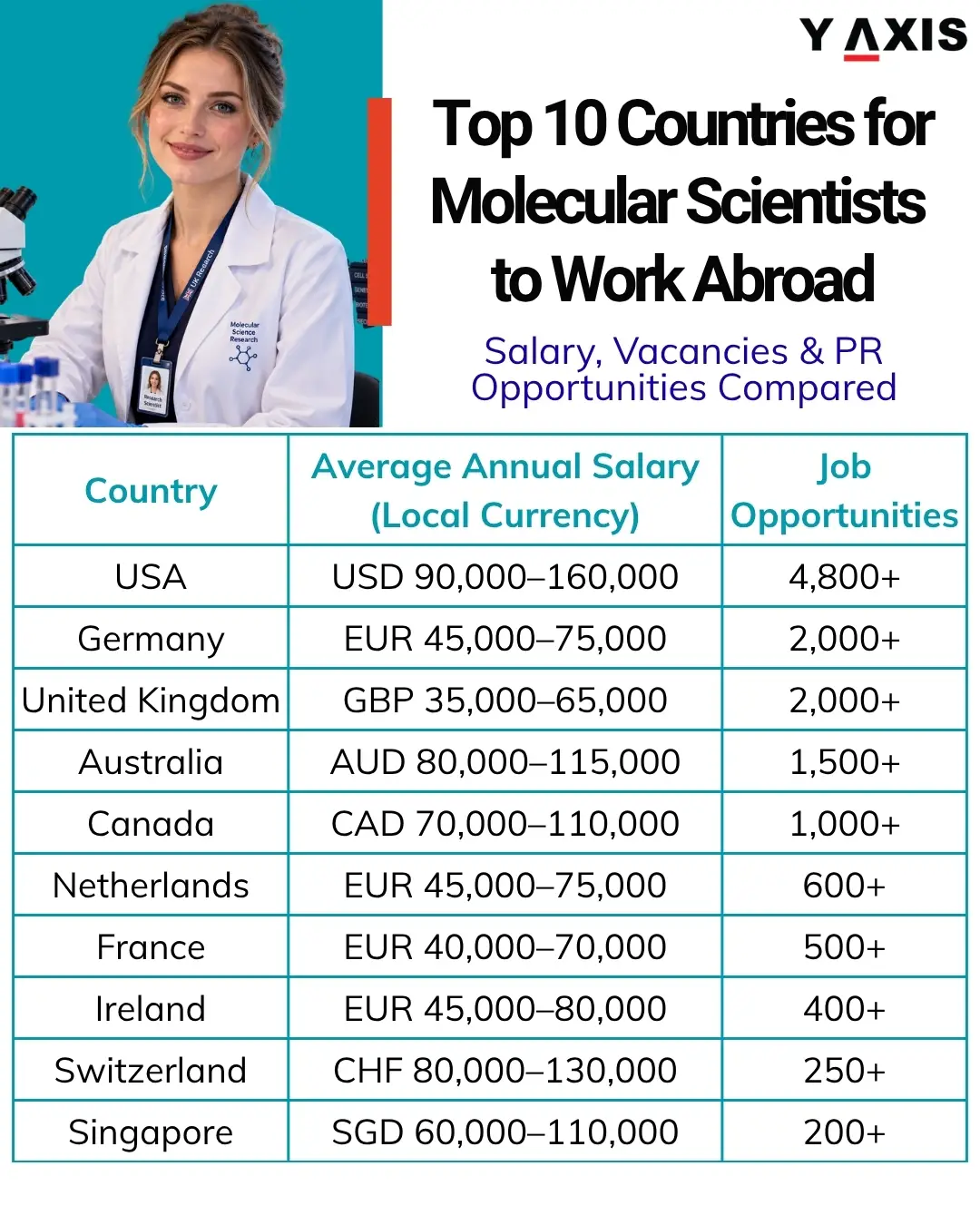
Top 10 Countries for Molecular Scientists to Work Abroad: Salary, Demand & PR Opportunities Compared