

Posted on August 07 2026
Can You Apply for British Citizenship Immediately After Getting ILR?

By , Editor & Director
Updated September 08 2026
Yes, you can apply for British citizenship immediately after getting Indefinite Leave to Remain (ILR) if you are married to a British citizen and meet the naturalisation requirements. Otherwise, you need to wait 12 months after receiving ILR before applying. You must also meet the residence requirements, demonstrate good character, prove your English language proficiency where required, and pass the Life in the UK Test. Once your application is approved, you will be invited to attend a British citizenship ceremony to receive your certificate of British citizenship.
*Want to apply for British citizenship after ILR? Let Y-Axis help you through the application process.
Who Can Apply for British Citizenship Immediately After Getting ILR?
Spouses and civil partners of British citizens can apply for British citizenship immediately after getting Indefinite Leave to Remain (ILR). Unlike the standard naturalisation route, there is no requirement to wait 12 months after receiving ILR. They must still fulfil all the requirements for naturalisation before submitting an application.
To apply for British citizenship immediately after getting ILR, applicants must:
- Be 18 years or older
- Hold valid Indefinite Leave to Remain (ILR)
- Be married to or in a civil partnership with a British citizen
- Have completed the 3-year qualifying residence period
- Stay within the permitted absence limits of 270 days during the 3-year qualifying period and 90 days in the last 12 months
- Demonstrate good character
- Meet the English language requirement
- Pass the Life in the UK Test
Documents Required for British Citizenship After Getting ILR
When applying for British citizenship after getting Indefinite Leave to Remain (ILR), you must submit documents that verify your identity, immigration status, residence, and eligibility. Depending on your circumstances, the Home Office may request additional supporting evidence.
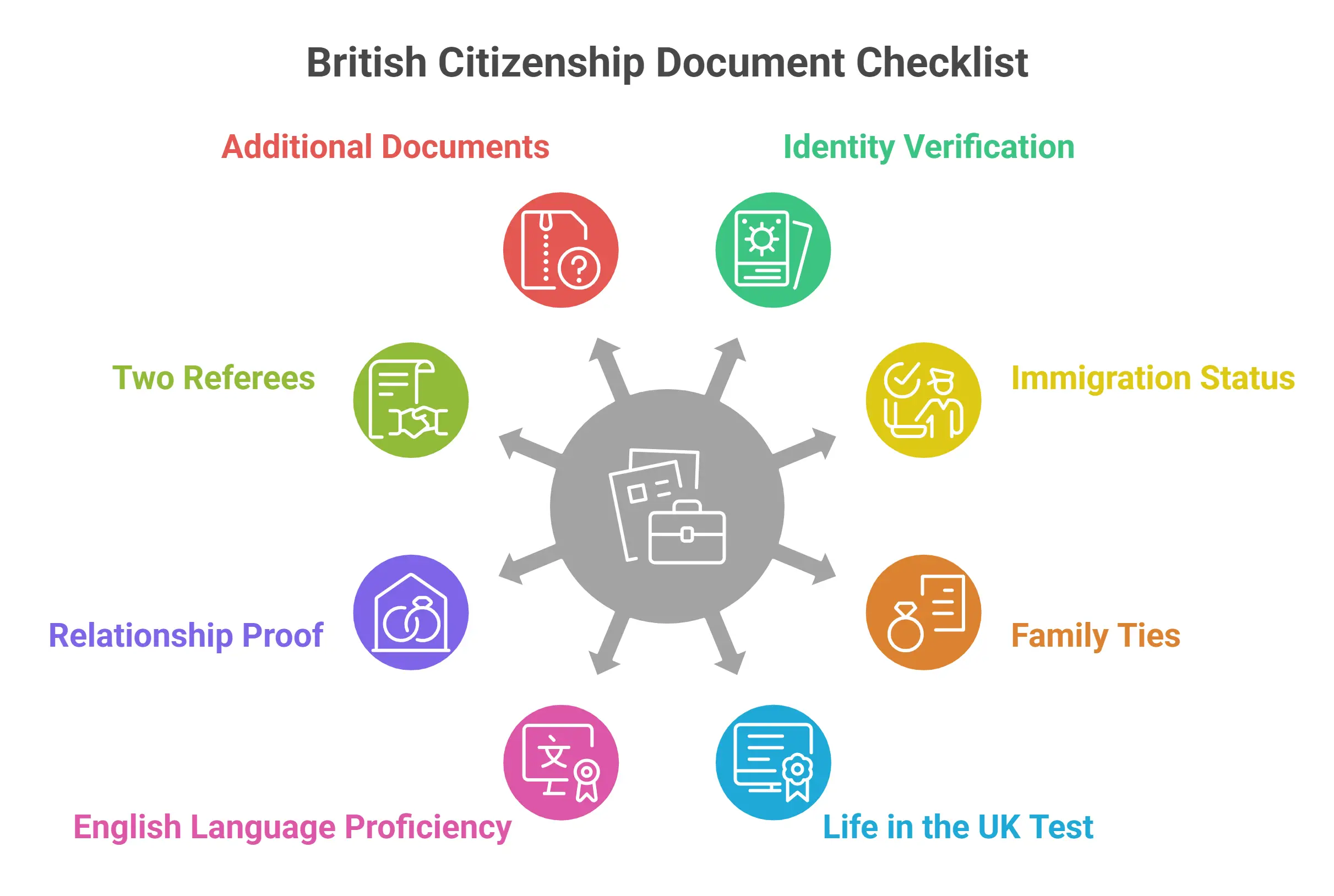
- A valid passport or travel document
- Proof of Indefinite Leave to Remain (ILR)
- Proof of British citizenship of your spouse or civil partner
- Life in the UK Test pass notification
- Proof of English language qualification
- A marriage or civil partnership certificate
- Details of two referees who can confirm your identity and good character
- Any additional supporting documents requested by the Home Office
How to Apply for British Citizenship Immediately After Getting ILR?
Applicants applying for British citizenship immediately after getting ILR must submit their application online through the UK Home Office. After submitting the application, they must attend a biometric appointment before the Home Office assesses the application.
Step 1: Check Eligibility
Confirm that you meet the naturalisation requirements, including residence, absence limits, good character, English language, and the Life in the UK Test.
Step 2: Gather Documents
Prepare your passport, ILR proof, Life in the UK Test result, English language proof (if required), marriage or civil partnership certificate, and referee details.
Step 3: Submit Online Application (Form AN)
Complete and submit the British citizenship application through GOV.UK.
Step 4: Pay the Fee
Pay the required application fee online.
Step 5: Attend Biometric Appointment
Provide your fingerprints and photograph through UKVCAS.
Step 6: Receive Home Office Decision
Wait for the Home Office to review your application.
Step 7: Attend Citizenship Ceremony
Take the oath or affirmation and receive your certificate of British citizenship.
*Want to apply for British citizenship through marriage? Book a free consultation with Y-Axis for complete visa support.
British Citizenship Application Fees
The total fee for an adult British citizenship application through naturalisation is £1,839 per applicant. This includes the £1,709 naturalisation application fee and the £130 citizenship ceremony fee.
Additional costs may include:
- Life in the UK Test: £50 per attempt.
- English language test: Cost varies depending on the test provider
- Biometric appointment: Required to provide fingerprints and a photograph as part of the application process.
Processing Time for British Citizenship
A British citizenship application usually takes up to 6 months to process after a complete application is submitted. During this period, the application is reviewed, and additional information may be requested if needed. Processing times may vary depending on the complexity of the case and the information required.
British Citizenship Ceremony
The British citizenship ceremony is the final step after your naturalisation application is approved. You will receive an invitation from your local council to attend the ceremony, where you officially become a British citizen. During the ceremony, you will take the Oath or Affirmation of Allegiance, make the Pledge of Loyalty to the UK, and receive your Certificate of British Citizenship. After receiving your certificate, you can apply for your first British passport as proof of your new citizenship status.
Benefits of British Citizenship
British citizenship provides additional rights compared with Indefinite Leave to Remain (ILR), giving you greater security and full citizenship rights in the UK.
- Apply for a British passport
- Live and work in the UK without visa restrictions
- Vote in UK elections
- Receive British consular support overseas
- Pass citizenship to children under UK nationality rules
- Return to the UK without immigration permission
- Keep British citizenship when living abroad
Do You Need to Give Up Your Original Nationality for British Citizenship?
No, you do not need to give up your original nationality for British citizenship. The UK allows dual nationality, so naturalising does not cancel your existing citizenship. However, some countries require citizens to renounce or automatically lose their original nationality once they acquire another, so check your home country's rules before applying.
How Can Y-Axis Help You?
Y-Axis is a leading immigration consultancy with over 25 years of experience helping individuals with visa and citizenship processes. Our experts provide guidance for British naturalisation applications, from checking eligibility and fees to preparing documents and supporting you through the application process.
- Eligibility check: Confirm whether you qualify to apply immediately after getting ILR
- Fee guidance: Understand the total costs involved from ILR to citizenship
- Document support: Get help preparing the required citizenship documents
- Application assistance: Receive step-by-step support through the application process
- Biometrics and appointments: Get guidance on biometric enrolment and post-approval steps
- After citizenship: Understand your next steps once you become a British citizen
*Want to apply for British citizenship as a spouse? Get personalised guidance from Y-Axis.
FAQs
Can you still apply immediately if you are separated but not divorced?
Yes, since the marriage or civil partnership is still legally intact. However, the Home Office may examine the relationship's genuineness as part of the good character assessment.
Does a previous divorce affect a new British citizenship application through marriage?
A previous divorce does not disqualify you from applying through a new marriage or civil partnership with a British citizen, provided the current relationship meets all eligibility requirements. Your immigration and relationship history may still be reviewed as part of the good character assessment.
What does the good character requirement mean for British citizenship applications?
The good character requirement assesses criminal record, immigration history, financial conduct, and honesty in previous dealings with the Home Office. Any convictions, immigration breaches, or undisclosed information can affect the outcome of the application.
What happens if a British citizenship application is refused after applying through the immediate route?
If refused, applicants receive a letter explaining the reasons and can request a review or reapply once the issues are resolved. Some refusals can be challenged through administrative review or, in limited cases, judicial review.
Can you reapply after a British citizenship application through marriage is refused?
Yes, you can reapply for British citizenship after addressing the reasons for refusal. The application fee is payable again, and it is advisable to resolve any good character or eligibility issues before resubmitting.
Does the immediate route still apply if you divorce before the application is decided?
The immediate eligibility route depends on being married to or in a civil partnership with a British citizen at the time of application. If the relationship ends before a decision is made, the applicant may need to meet the standard naturalisation requirements instead.
What happens to your citizenship application if your British citizen spouse passes away before a decision?
If the British citizen spouse or civil partner passes away before a decision is made, the applicant's eligibility for the immediate route may be affected. It is advisable to seek immigration advice to understand how this impacts the specific application.
Do children automatically become British citizens when a parent naturalises through the immediate route?
No, children do not automatically become British citizens when a parent naturalises. They must be registered as British citizens separately, usually through a distinct application process depending on their age and circumstances.
Can you apply for British citizenship immediately after ILR if you have a criminal record?
Not automatically disqualifying, but assessed under the good character requirement. Unspent convictions and certain custodial sentences can result in a mandatory refusal period, so the impact depends on the offence and sentence length.
Does an overstay or visa breach before getting ILR affect eligibility for British citizenship?
Yes, any overstay or visa breach before getting ILR is reviewed under the good character requirement and can lead to refusal, particularly if it occurred close to the application date.
Can you apply for British citizenship immediately after ILR while living outside the UK?
You generally cannot apply for naturalisation while living permanently outside the UK, since the residence and physical presence requirements must be met within the UK. Short trips abroad within the permitted absence limits are allowed.
Do you need a solicitor to apply for British citizenship immediately after ILR?
No, a solicitor is not required, and most applicants complete Form AN themselves through GOV.UK without issue. Legal advice is worth considering only for complex cases, such as prior visa breaches, criminal records, or absence limit issues that could affect the good character assessment.
Can you continue working while your British citizenship application is being processed?
Yes, your ILR status remains fully valid while your application is processed, so you can continue working, renting, and travelling under the same conditions as before applying. There are no new restrictions during this period.
What is the difference between naturalisation and registration for British citizenship?
Naturalisation is the route adults use to apply for British citizenship based on residence, marriage, or ILR history. Registration applies mainly to children or people with a legal entitlement to citizenship, such as those born in the UK to a parent who later becomes British, and involves different forms and eligibility rules.
Can you travel outside the UK while your British citizenship application is pending?
Yes, travel is allowed while the application is pending, but you should keep evidence of travel dates since the Home Office can request this to confirm you have not breached absence limits during the qualifying period.
What happens if you fail the Life in the UK Test before applying for British citizenship?
If you fail the Life in the UK Test, you can retake it after a minimum waiting period, usually seven days, with no limit on the number of attempts. You must pass before submitting your citizenship application.
Can you withdraw a British citizenship application after submitting it?
Yes, you can withdraw at any stage before a decision is made by contacting the Home Office directly. The application fee is non-refundable, and withdrawing does not affect your ILR status or your ability to reapply later.
Can you apply for British citizenship immediately if your spouse became British through naturalisation rather than birth?
Yes, the immediate eligibility route applies regardless of whether your spouse or civil partner is a British citizen by birth or by naturalisation. What matters is that they hold British citizenship at the time of your application.
How does the 3-year qualifying residence period for spouses differ from the standard 5-year period?
The 3-year qualifying residence period applies specifically to spouses and civil partners of British citizens, reflecting the immediate eligibility route. Standard applicants without this relationship must complete a 5-year qualifying residence period regardless of how long they have held ILR.
Can you apply for British citizenship immediately after ILR if you are in a same-sex marriage or civil partnership?
Yes, the immediate eligibility route applies equally to same-sex marriages and civil partnerships with a British citizen. The same naturalisation requirements, residence period, and absence limits apply regardless of the relationship type.
Tags:
British Citizenship
UK Citizenship
British Naturalisation
Indefinite Leave to Remain (ILR)
ILR
UK Immigration
British Citizenship Eligibility
UK Settlement
British Nationality
Naturalisation
Share
Y-Axis Services

Get it on your mobile

Get News alerts

Contact Y-Axis
Latest Article
Popular Post
Trending Article
Posted On September 18 2026
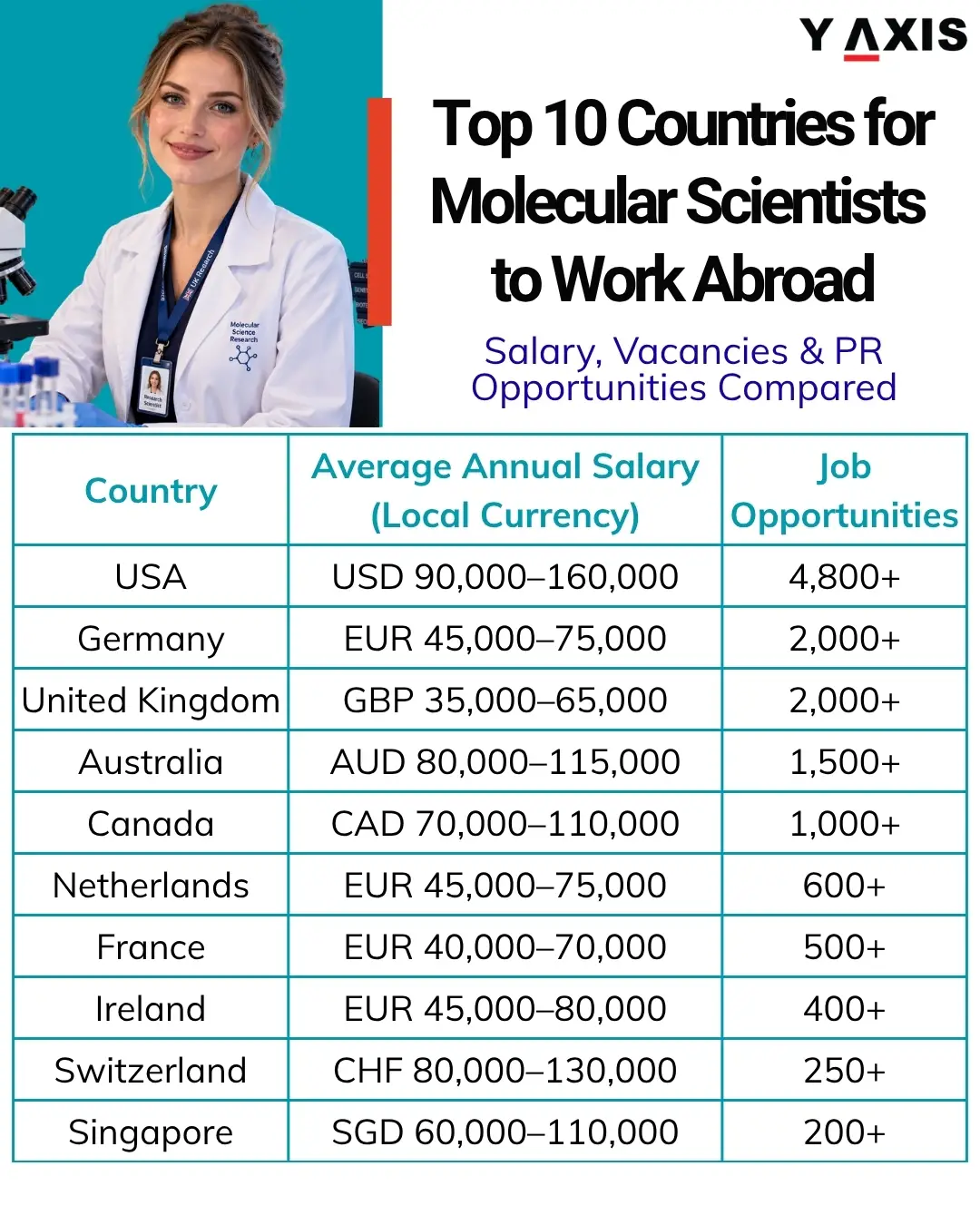
Top 10 Countries for Molecular Scientists to Work Abroad: Salary, Demand & PR Opportunities Compared