


Posted on March 28 2026
What are the latest Skilled Worker Visa program updates in 2026?

By , Editor & Director
Updated April 23 2026
Skilled worker visa programs in 2026 have been updated across countries like the UK, Canada, Australia, Germany, Ireland, Portugal, and New Zealand to address growing workforce needs. These programs continue to attract skilled professionals in sectors such as healthcare, IT, engineering, and construction, where demand remains strong.
The latest skilled visa updates include revised salary thresholds, updated job eligibility criteria, and more structured employer sponsorship. Most countries now require applicants to have a job that meets a defined salary level and is listed under approved occupation categories. Many programs have also expanded in-demand occupation lists and introduced clearer pathways to permanent residency.
*Want to apply for skilled work visa? Let Y-Axis help you through application process.
Recent Skilled Worker Visa Updates and Pathways in 2026
Skilled worker visa pathways across countries have changed in 2026, mainly in salary requirements, job eligibility, and visa options. Many countries now require applicants to have a job that meets updated salary levels and matches approved occupation lists.
Canada is using targeted selection draws for specific sectors, Australia has updated its skilled visa streams, and Germany has introduced new pathways for job seekers. At the same time, countries are expanding in-demand occupation lists and adjusting visa pathways based on labour market needs. These updates help you choose the right visa pathway based on your skills, experience, and job role.
|
Country |
Visa Program |
Key Updates |
|
United Kingdom |
Skilled Worker Visa |
The minimum salary is around £41,700, roles must meet RQF Level 6, and the shortage occupation list and English requirements have been updated. |
|
Canada |
Express Entry, PNP |
Category-based draws are conducted for healthcare, STEM and trades, with CRS score selection and invitations based on occupation and language. |
|
Australia |
Subclass 482, 189, 190 |
The Skills in Demand visa has been introduced, with a minimum salary of around AUD 70,000 and updated skilled occupation lists. |
|
Germany |
EU Blue Card, Opportunity Card |
The Opportunity Card allows job search without a job offer, while Blue Card salary thresholds range around €45,000 to €50,000 with a points-based system. |
|
Ireland |
Critical Skills Employment Permit |
The minimum salary is around €40,904, jobs must be on the Critical Skills list, and faster processing is available for eligible roles. |
|
New Zealand |
Green List Pathways |
Green List roles are prioritised, with Tier 1 offering direct residence and Tier 2 providing residence after two years of work. |
|
Portugal |
Job Seeker Visa |
The visa allows a 120-day job search period, requires proof of funds, and can be converted to a work permit after securing a job. |
*Want to apply for skilled work visa? Let Y-Axis guide you through application process.
UK Skilled Worker Visa Updates
The UK Skilled Worker Visa has introduced revised salary thresholds and new eligibility requirements. The minimum salary level has increased, and only roles meeting the required skill level and occupation criteria are eligible. Applicants must have a job offer from an approved sponsor, and the role must meet both salary and skill standards set for 2026.
- Minimum salary requirement is around £41,700 or the occupation-specific going rate
- Jobs must meet RQF Level 6, meaning degree-level roles
- The shortage occupation list has been revised, with fewer roles eligible for lower salary thresholds
- English language requirement at B2 level is required
*Want to apply for UK Skilled worker visa? Let Y-Axis help you through application process.
Canada Skilled Worker Visa Updates
Canada has updated Express Entry by introducing targeted invitation rounds for skilled professionals, where candidates are selected based on occupation and language ability instead of only overall CRS scores.
- Targeted draws invite candidates from occupations such as healthcare, STEM, trades, transport, and agriculture
- Invitations are issued based on occupation and language ability, not only highest CRS scores
- Candidates in targeted draws can receive invitations with lower CRS scores than general draws
- Separate draws are conducted for candidates with higher French language proficiency
*Want to work in Canada? Let Y-Axis help you through application process.
Australia Skilled Worker Visa Updates
Australia has introduced the Skills in Demand visa to replace the Temporary Skill Shortage visa and updated salary thresholds for employer-sponsored roles.
- The Skills in Demand (SID) visa replaces Subclass 482 (TSS visa) for employer-sponsored workers
- Minimum salary threshold increased to around AUD 70,000+, depending on the role
- Only occupations listed on the updated skilled occupation list are eligible for sponsorship
- Employer-sponsored roles must meet market salary rates and defined job requirements
*Want to work in Australia? Let Y-Axis help you through application process.
Germany Skilled Worker Visa Updates
Germany has introduced new entry options and revised its EU Blue Card requirements to allow skilled professionals to enter and find jobs more easily.
- The Opportunity Card (Chancenkarte) allows entry without a job offer through a points-based system
- EU Blue Card salary thresholds updated to around €45,000–€50,000, depending on the role
- Reduced salary threshold applies for shortage occupations such as IT and engineering
*Want to work in Germany? Let Y-Axis help you through application process.
Ireland Skilled Worker Visa Updates
Ireland has updated the Critical Skills Employment Permit with changes to salary thresholds and how roles qualify under the critical skills list.
- Minimum salary requirement is €40,904 for most eligible roles
- Roles offering €64,000 or more can qualify even if not listed on the Critical Skills Occupations List
- Jobs on the Critical Skills Occupations List can qualify at lower salary thresholds
New Zealand Skilled Worker Visa Updates
New Zealand has structured its skilled migration through the Green List, which defines eligibility and residence pathways based on specific roles.
- Green List Tier 1 roles provide direct residence without a waiting period
- Green List Tier 2 roles require 2 years of work before applying for residence
- Only jobs listed on the Green List are eligible for permanent residence pathways
Portugal Skilled Worker Visa Updates
Portugal offers a Job Seeker Visa that allows entry without a job offer, with a defined timeline to secure employment and transition to a work permit.
- The Job Seeker Visa is valid for 120 days to search for a job in Portugal
- The visa can be extended once for an additional 60 days
- After securing a job, applicants can apply for a residence permit for employment
Eligibility Requirements for Skilled Worker Visa Programs
Skilled workers must meet key requirements related to job role, salary, qualifications, and documents. Most countries require a valid job offer, minimum salary level, relevant work experience, and language proficiency.
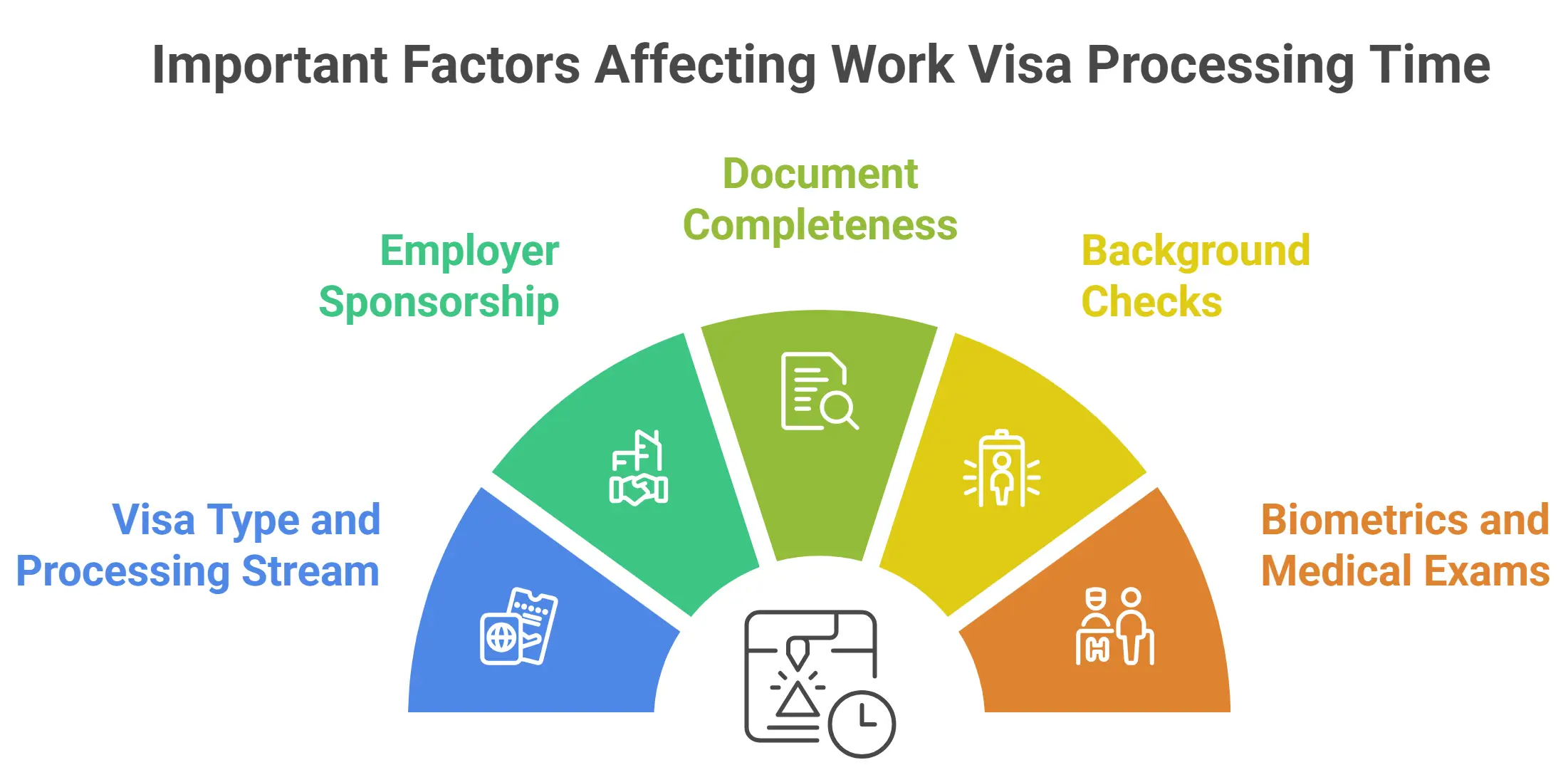
Key eligibility requirements for skilled worker visa programs:
- Job offer from an approved employer
- Relevant qualifications and work experience matching the role
- Job must meet the minimum salary threshold
- Language proficiency required such as IELTS or equivalent
- Role must meet the required skill level usually degree-level or specialised
- Submit documents such as passport, education, and experience proofs
- Complete medical tests and police clearance
Step-by-Step Application Process for Skilled Worker Visa
Step 1: Check eligibility, including job role, salary, skill level, and qualifications.
Step 2: Secure a job offer from a licensed or approved employer.
Step 3: Prepare required documents such as passport, educational certificates, work experience letters, and language test results.
Step 4: Apply online through the official immigration portal.
Step 5: Pay visa fees and complete biometrics.
Step 6: Submit medical reports and police clearance certificates.
Step 7: Wait for the visa decision based on processing timelines.
Step 8: Receive the visa and travel, and then complete post-arrival formalities.
*Want to apply for skilled worker visa? Let Y-Axis help you through application process.
Apply Now
FAQs
What are the latest skilled worker visa updates?
The latest updates mainly include higher salary thresholds, stricter job eligibility, and tighter sponsorship rules. In the UK, most roles now require a salary of about £41,700 or the official going rate for that job. Jobs must also meet graduate-level skill requirements. Governments are focusing on sectors like healthcare, IT, and engineering. These changes mean applicants need a job that clearly meets both salary and skill criteria before applying.
How have skilled worker visa rules changed recently?
Rules now require jobs to meet higher skill levels and updated salary thresholds. In many cases, roles must be at degree level, and employers must be licensed sponsors. Salary requirements have increased compared to previous years, so not all job offers qualify. Governments have also tightened how employers sponsor workers, making job eligibility and pay level the key factors in approval.
What is the current salary threshold for skilled worker visas?
In the UK, the general salary threshold is around £41,700 per year or the official going rate for the specific job. Some applicants can qualify at about £33,400 under shortage occupation or new entrant categories. The exact requirement depends on the job code. Meeting the correct salary level is essential, as applications are assessed based on whether the job offer matches these official thresholds.
Which countries have updated their skilled worker visa programs?
The UK, Canada, Australia, Germany, and New Zealand have all updated their skilled worker visa systems. The UK increased salary thresholds, Australia revised its skilled occupation list, and Canada continues to expand pathways for skilled workers. European countries like Germany are also adjusting salary levels. These updates reflect a broader shift toward attracting skilled professionals in industries facing labour shortages.
What are the eligibility requirements for skilled worker visas?
You need a confirmed job offer from a licensed employer, and the role must meet the required skill level, usually at degree level. The salary must meet the official threshold for that job. You also need proof of qualifications, relevant work experience, and English language ability. The job must be listed under eligible occupation codes. All these conditions must be met together for approval.
How do visa sponsorship rules work for skilled worker visas?
An employer must be approved to sponsor foreign workers. They assign a Certificate of Sponsorship that includes your job title, salary, and occupation code. The job must meet minimum salary and skill requirements. This certificate is required for your visa application. Immigration authorities check both the employer and job details to confirm they meet the official criteria before approving the visa.
What is the application process for skilled worker visas?
You first secure a job offer from a licensed sponsor. The employer issues a Certificate of Sponsorship. You then apply online, submit documents such as your qualifications, salary details, and language test results, and pay the fees. Your application is reviewed to confirm that your job, salary, and documents meet all requirements before a decision is made.
Are skilled worker visa fees changing?
Visa fees have increased in recent updates. Applicants pay an application fee, an Immigration Health Surcharge, and sometimes additional service fees. Employers also pay sponsorship-related charges. The total cost depends on visa duration and country. It is important to check current fee details before applying so you know the full cost involved.
How do skilled worker visa updates affect job opportunities abroad?
Job opportunities now depend heavily on whether the role meets salary and skill requirements. Positions in IT, healthcare, engineering, and construction continue to qualify because they meet these thresholds. Jobs with lower salaries or lower skill levels no longer meet visa criteria. Applicants with higher qualifications and competitive salaries have stronger chances of securing sponsorship and working abroad.
What industries are in demand under skilled worker visa programs?
Healthcare, IT, engineering, construction, and finance are the most in-demand industries. Roles such as nurses, software developers, civil engineers, and financial analysts are commonly included in eligible occupation lists. These jobs meet both salary and skill requirements, which is why they continue to qualify under skilled worker visa programs across multiple countries.
Are dependants allowed under skilled worker visa programs?
Yes, most skilled worker visa programs allow you to bring dependants, including your spouse or partner and children. In the UK, dependants can live, work, and study. However, some roles (especially lower-paid care roles) may have restrictions on bringing dependants. You must also show enough funds to support your family. Each country has its own rules, but family inclusion is generally allowed for qualified skilled workers.
How long does it take to process a skilled worker visa?
Processing times vary by country, but in the UK, most skilled worker visa applications are processed within 3 to 8 weeks. Priority services can reduce this to a few working days. Delays can happen if documents are missing or require verification. Processing also depends on application volume and whether you are applying from inside or outside the country.
What are the key immigration rule changes affecting skilled workers?
The key changes include higher salary thresholds, stricter job eligibility, and stronger employer compliance checks. Jobs must now meet higher skill levels, and salaries must match updated thresholds. Governments are also monitoring employers more closely to prevent misuse of sponsorship. These changes ensure that skilled worker visas are issued mainly for genuine, high-demand roles.
How can applicants improve their chances of getting a skilled worker visa?
The most important step is securing a job that meets both salary and skill requirements. Applying for roles in high-demand sectors like healthcare, IT, or engineering increases your chances. Make sure your qualifications match the job and your documents are complete. A strong job offer from a licensed sponsor with the correct salary is the key factor for approval.
What documents are required for a skilled worker visa?
You need a valid passport, a Certificate of Sponsorship from your employer, proof of salary, and documents showing your qualifications. You may also need English language test results. Some applicants must provide bank statements to show financial support. Additional documents can include employment records or experience certificates depending on the role and country requirements.
Are language requirements changing for skilled worker visas?
Language requirements remain consistent but strictly enforced. Most countries require proof of English proficiency through approved tests like IELTS. The required level depends on the visa type and job role. For the UK, applicants must meet a minimum B1 level in English. This requirement ensures that workers can communicate effectively in their workplace.
What is the role of occupation lists in skilled worker visas?
Occupation lists define which jobs are eligible for skilled worker visas. Each job is assigned a specific code and must meet salary and skill requirements. These lists are updated regularly based on labor shortages. If your job is not on the list, it usually does not qualify. Checking the occupation list is one of the first steps before applying.
Can fresh graduates apply for skilled worker visas?
Yes, fresh graduates can apply if they secure a job that meets the required salary and skill level. In the UK, graduates can switch from a student visa to a skilled worker visa if they get a qualifying job offer. Some roles also fall under “new entrant” salary thresholds, which are lower than standard requirements, making it easier for recent graduates to qualify.
How do skilled worker visa updates impact immigration trends?
These updates are reducing low-skilled migration and increasing demand for highly qualified professionals. Countries are focusing on attracting workers who meet higher salary and skill requirements. As a result, more visas are being issued in sectors like healthcare, engineering, and IT, while lower-paid roles are becoming less eligible under skilled worker visa programs.
What should applicants know before applying for a skilled worker visa?
Applicants should check if their job is eligible, meets the salary requirement, and is offered by a licensed sponsor. They should also prepare documents like qualifications, experience proof, and language test results in advance. Understanding visa fees, processing time, and conditions helps avoid delays. Having a clear job offer that meets all criteria is the most important part of a successful application.
Tags:
Skilled Worker Visa
Skilled Worker Visa Updates
Skilled Worker Visa New Rules
Skilled Worker Visa Changes
Latest Immigration Updates
Share
Y-Axis Services

Get it on your mobile

Get News alerts

Contact Y-Axis
Latest Article
Popular Post
Trending Article
Posted On September 18 2026
Top 10 Countries for Molecular Scientists to Work Abroad: Salary, Demand & PR Opportunities Compared