


Posted on December 11 2025
Which Intake Is the Best to Study in the UK?

By , Editor
Updated December 11 2025
The September intake is widely considered the best intake to study in the UK because it offers the most courses, the largest number of university seats, and strong scholarship opportunities. As the main academic cycle, over 90% of UK universities open full admissions for undergraduate and postgraduate programmes during this period.
With smoother CAS issuance, faster visa decisions, and better access to part-time jobs and internships, September gives international students the most flexibility and opportunity. The January intake is a strong alternative for Business, IT, Engineering and Health, while the May intake is limited to selected universities and programmes.
September remains the most preferred intake for international students planning to study in the UK.
*Want to study in the UK? Let Y-Axis guide you through the application process.
What Are the Intakes in the UK for International Students?
International students can choose from three UK study intakes: September, January and May. Each intake follows a different admission cycle and offers varying course availability, giving students clear options based on their academic plans and timelines.
1. September Intake (Main Intake)
- Provides the largest number of UG and PG courses across UK universities.
- Offers better scholarship availability and earlier CAS issuance.
- Best option for students looking for full programme choices and smoother academic alignment.
2. January Intake (Winter Intake)
- Offers strong course options in Business, IT, Engineering and Health.
- Has less competition compared to September.
- A good choice for students who need a later start due to exams, documents or financial planning.
3. May Intake (Summer Intake)
- Available only at selected universities with focused options in Business, Computing and top-up pathways.
- Provides quicker admission decisions and flexible entry timelines.
- Suitable for students wanting a faster intake with less competition.
Apply Now
Why do most International Students Choose the September Intake in the UK?
Most international students prefer the September intake because it aligns with the UK’s main academic year and offers the widest choice of undergraduate and postgraduate programmes. More than 90% of courses open admissions during this period, giving students maximum flexibility when selecting the right programme and university. This intake also provides stronger scholarship availability, earlier CAS issuance, and smoother visa processing.
Since academic and hiring cycles begin at the same time, students benefit from better access to internships and part-time work. Overall, September remains the most structured, predictable, and opportunity-rich intake for international students.
How to Choose the Right Intake to Study in the UK?
Choosing the right intake depends on your course availability, academic preparation, English test timelines, and when you want to start your studies. September is best for students who want maximum course options and stronger scholarship chances. January is ideal if you need extra time for documents or finances, while May suits those looking for a quick, low-competition start with selected programmes. Reviewing deadlines and programme availability helps you decide the intake that fits your study plans.
Application Timeline for UK Intakes
Each UK intake follows a different admission schedule, and applying at the right time is important for receiving your offer, getting your CAS on time, and completing your visa process smoothly.
|
Intake |
Applications Open |
Course Start |
|
September Intake |
October – January |
September |
|
January Intake |
April – September |
January |
|
May Intake |
September – January |
May |
Key Factors to Consider When Choosing a UK Intake
The best UK intake depends on what matters most for your course, preparation, and study plan. September offers the highest course availability and scholarship opportunities. January works well for students who need more preparation time but still want good options in Business, IT, Engineering and Health. May is suitable for a quick start but has limited programmes.
|
Factor |
September Intake |
January Intake |
May Intake |
|
Course Availability |
Very High |
High |
Limited |
|
Chances of Admission |
Competitive |
Moderate |
Easier Entry |
|
Scholarship Opportunities |
High |
Medium |
Limited |
|
Internship & Job Opportunities |
Strong |
Good |
Moderate |
Top Universities Offering Major UK Intakes for International Students
Most UK universities open their full list of programmes for the September intake, while many also offer strong January options and selected May programmes. The universities below are known for consistent availability across major intakes and strong course offerings for international students.
|
QS Rank |
University |
Main Intakes |
|
2 |
Imperial College London |
September |
|
4 |
University of Oxford |
September |
|
6 |
University of Cambridge |
September |
|
9 |
UCL (University College London) |
September, January |
|
31 |
King’s College London |
September, January |
|
34 |
University of Edinburgh |
September |
|
35 |
University of Manchester |
September, January |
|
51 |
University of Bristol |
September |
|
56 |
London School of Economics (LSE) |
September |
|
74 |
University of Warwick |
September |
Best Courses Available for UK Intakes for International Students
International students can find strong course options in both the September and January intakes, while the May intake is limited to select programmes. September offers the widest range of undergraduate and postgraduate courses, January is ideal for flexible postgraduate entry, and May provides focused options in specific fields.
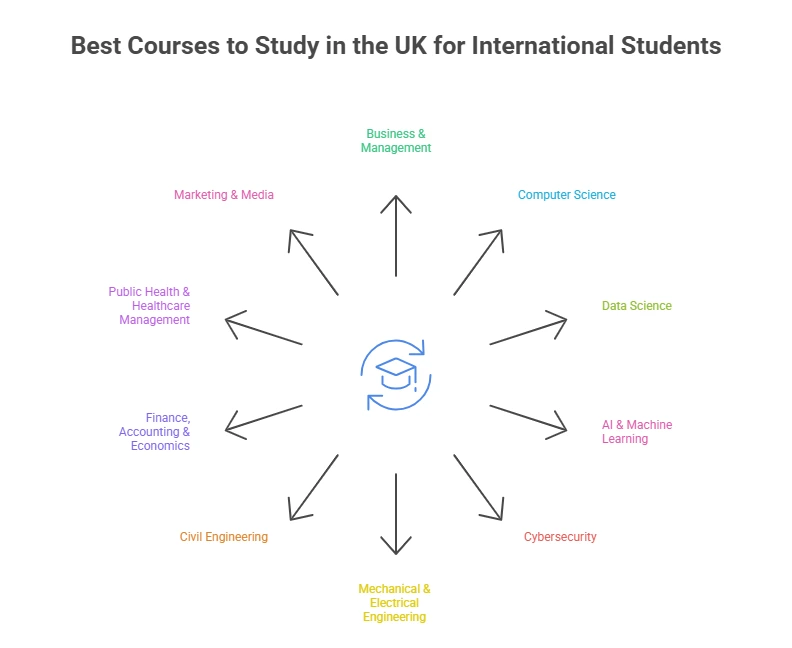
Some of the popular courses for international students across major UK intakes
- Business & Management
- Computer Science
- Data Science
- Artificial Intelligence & Machine Learning
- Cybersecurity
- Mechanical & Electrical Engineering
- Civil Engineering
- Finance, Accounting & Economics
- Public Health & Healthcare Management
- Marketing & Media
Which UK Intake Offers the Most Scholarships?
The September intake offers the highest number of scholarships for international students, as most UK universities release their major funding rounds during this period. Merit-based, need-based, and programme-specific scholarships are widely available in September, giving students better chances of financial support.
The January intake also provides scholarships but in smaller numbers, while the May intake has very limited options. Students aiming for scholarships should apply early for the September intake, as many awards close months before the course start date.
Also Read…
Top 10 Scholarships to study in the UK
Eligibility Requirements to Study in the UK for International Students
International students must meet specific academic, English language, and documentation requirements to qualify for admission to UK universities. While criteria vary by programme, the core requirements remain similar across most institutions.
Key Eligibility Requirements:
- Completion of Class 12 for undergraduate courses and a recognised bachelor’s degree for postgraduate programmes.
- Valid English language test scores such as IELTS, PTE, TOEFL, or Duolingo meeting university minimums.
- Required documents including SOP, LORs, CV, academic transcripts, and passport.
- Financial proof showing adequate funds for tuition and living expenses through bank statements, sponsorship, or education loans.
- Fulfilling all offer conditions to receive the Confirmation of Acceptance for Studies (CAS).
- Submitting a complete UK Student Visa application using the CAS and required supporting documents.
Step-by-Step Application Process for UK Intakes
Step 1: Choose your course and preferred intake (September, January, or May).
Step 2: Check eligibility requirements, including academics and English test scores.
Step 3: Prepare documents such as SOP, LORs, CV, transcripts, and passport.
Step 4: Submit your application through UCAS or university portals and accept your offer.
Step 5: Complete compliance checks, receive your CAS, and apply for the UK Student Visa.
*Looking for step by step assistance to study in the UK? Sign up with Y-Axis to help you through application process.
Apply Now
FAQs
Which intake is best for international students to study in the UK?
The best intake to study in the UK is the September intake because it offers the widest range of courses, the highest scholarship availability, and the largest number of university seats. January intake is a strong backup for students needing more preparation time, while May intake suits those looking for faster admission with less competition. The right intake depends on your readiness and course preference.
How many intakes are there in UK universities for international students?
UK universities offer three major intakes for international students: September, January, and May. September is the primary intake with the highest course availability. January offers good flexibility across popular subjects, while May has limited programmes but faster processing. Understanding these intakes helps students select the best timeline based on readiness and course requirements.
Is September intake the best intake in the UK?
Yes, the September intake is considered the best in the UK because it offers the most courses, better scholarship opportunities, and the highest number of university seats. It aligns with the academic year, providing access to campus resources, orientation events, and part-time job openings. While January and May are alternatives, September remains the strongest option.
Is January intake good for international students in the UK?
Yes, the January intake is a good choice, especially for students who need extra time for English scores, financial preparation, or documentation. It offers a wide range of courses in Business, Computing, Engineering, and Healthcare. Competition is moderate, and visa processing is usually smoother. It is an ideal backup for those who miss September deadlines.
Is May intake available in UK universities?
Yes, the May intake is available at select UK universities. It is smaller than the September and January intakes but offers faster admissions and lower competition. Courses are usually focused on Business, Health, and Computing. However, scholarship options and course choices are limited, so applicants should check availability before applying.
Which intake in the UK has the most courses available?
The September intake has the highest number of courses available across UK universities. It is the main academic intake for undergraduate, postgraduate, and research programmes. January offers a smaller selection, while May offers limited options. Students wanting maximum choice should prioritise the September intake.
Which intake in the UK offers the most scholarships?
The September intake offers the most scholarships for international students because it is the main admission cycle. Universities release most merit-based, early-bird, and country-specific scholarships during this intake. January has moderate opportunities, while May has limited scholarship options. Applying early for September increases financial aid chances.
Which intake in the UK is easiest to get admission?
The May intake is generally the easiest for admission because it has lower competition and faster processing. However, it offers fewer course choices. January intake is also relatively easier than September. September, despite having the most courses, is the most competitive due to high demand.
How do I choose the best intake to study in the UK?
To choose the best intake, consider course availability, scholarship deadlines, academic readiness, and visa timelines. September is ideal for maximum course options and financial support. January suits students who need more time for preparation. May is best for quick, low-competition admissions. Check course-specific intake availability before deciding.
Can I apply for more than one intake in UK universities?
Yes, students can apply for more than one intake if their programme is offered across different cycles. Many apply to both September and January to secure better chances. If you miss September deadlines, switching to January is a common and safe option. Always check intake availability for your chosen course.
Tags:
100% scholarships
full scholarships abroad
fully funded scholarships
universities offering full scholarships
international student scholarships
full-ride scholarships
study abroad funding
overseas scholarships
Share
Y-Axis Services

Get it on your mobile

Get News alerts

Contact Y-Axis
Latest Article
Popular Post
Trending Article

Posted On March 06 2026
Top 10 Countries for Chefs: Salary, Demand & PR Opportunities Compared